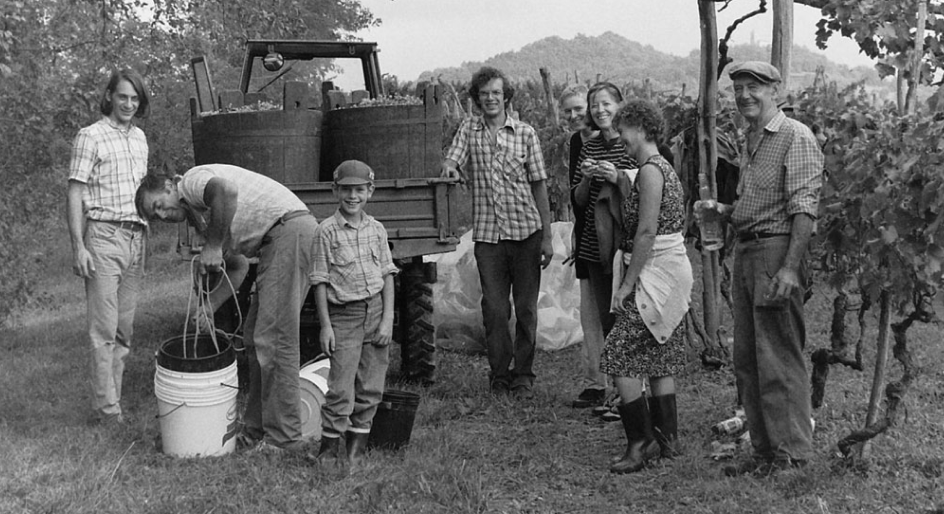
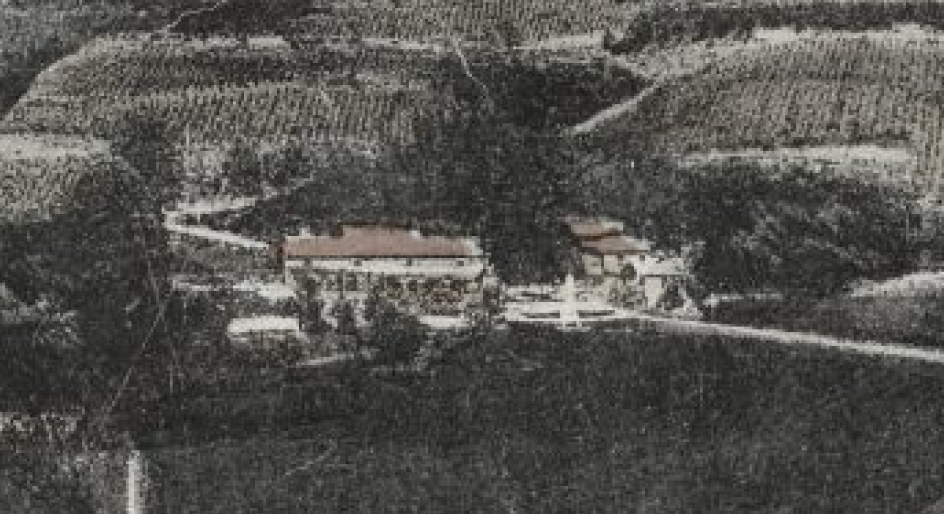
The Kobal family planted their first vines on the slopes above the village of Dolanci as early as 1880. A particularly important figure in our history was our pranono—the Primorska word for a great-grandfather—who produced as much as 30,000 litres of Vipavec wine, most of which was transported by cart drivers to Trieste and Ljubljana.
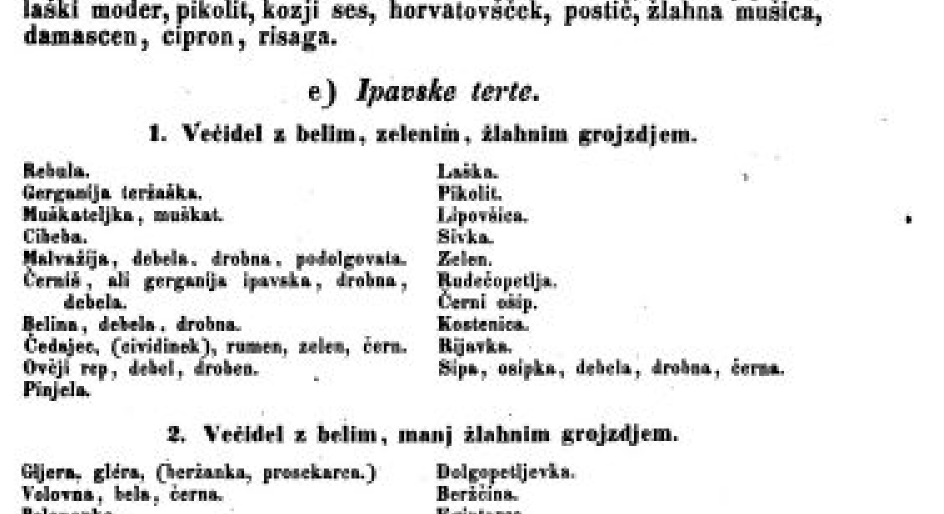
The vineyards planted in those early years were predominantly Rebula, Malvazija, Laški rizling, Zelen, Pinela, Dišečka, Volovnik, Glera, and Picolit. Vineyard work was carried out with the help of horses, which remained part of the farm until 1983. Until the Second World War, the farm also operated as an osmica, a traditional seasonal tavern open during harvest time and serving locally produced wine.
After the war, nationalisation brought an end to private sales, and we were required to deliver our grapes to a cooperative winery. From 1975 onward, the farm was primarily maintained by our father, Kazimir, who preserved some of the finest vineyard sites, expanded the estate through additional parcels, and remained a respected member of the cooperative cellar.
In 2014, my wife Mojca and I decided to return to the farm and dedicate ourselves fully to winegrowing. We withdrew from the cooperative and embarked on our own independent path. Thus, the Fedora winery was born.
Today, we cultivate 35,000 vines, renewing and expanding our vineyards each year.
We devote a lot of time and energy to the preservation and restoration of old vineyard locations which during the last 50 years have been left neglected in favour of cheaper and less work-intensive ones. We believe that to produce exceptional wine, exceptional effort is required. There are no shortcuts in winemaking.
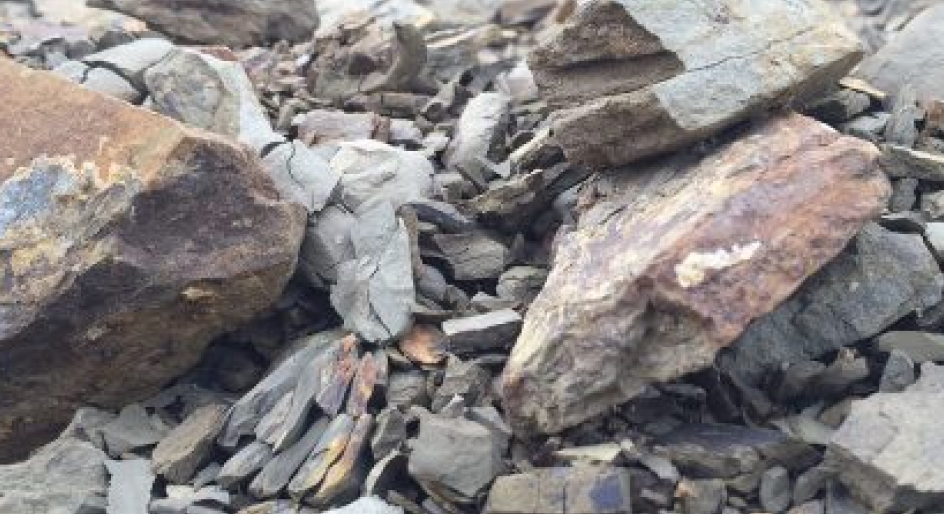
The vineyard sites of the upper Branica Valley, at the meeting point of the Vipava Hills and the Karst, are rich in opoka (soudan) and have been considered exceptional since Roman times. Within the sediments of ancient oceanic flysch, patches of opoka reveal imprints of marine fossils, lending our wines a distinctly mineral character.
Pinela, Zelen, Vitovska Grganja, Ošip, Čedajc, Pokalca, Rebula, Refošk, Picolit.
We are committed to preserving traditional Primorska grape varieties that have thrived on our land for centuries. We grow scions and plant them in vineyard sites best suited to each vine.
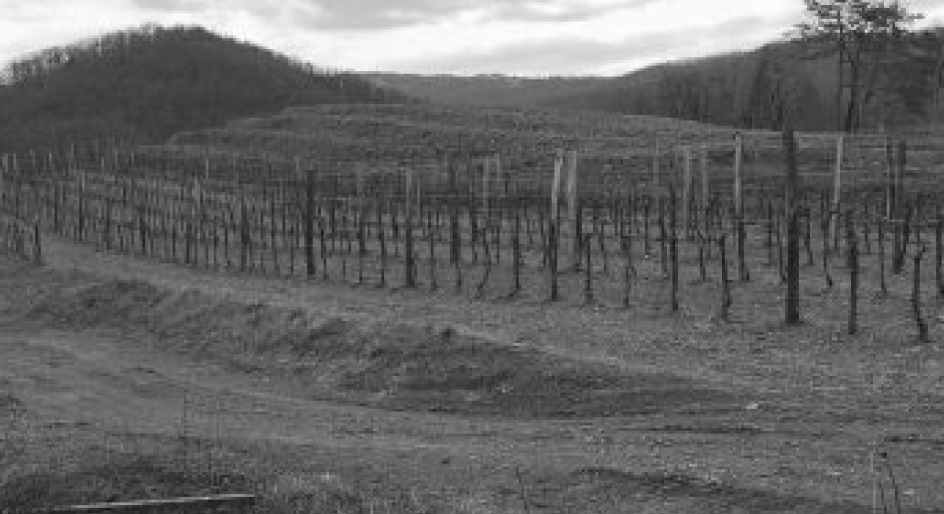
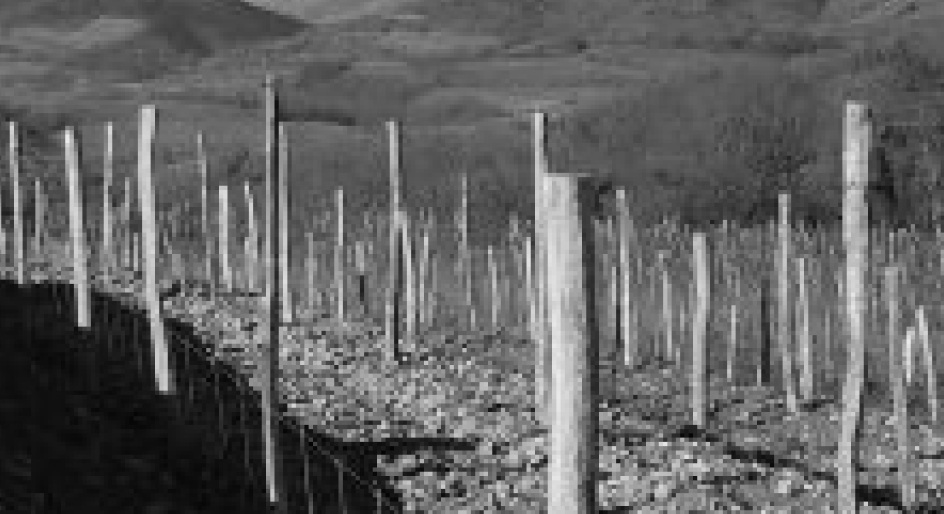
More than a hundred terraces, facing south and southeast at elevations between 200 and 350 metres, combined with constant winds and an exceptional mix of opoka, clay, and limestone, create ideal conditions for uncompromising wines.
Our wine-growing region is protected under the EU Natura 2000 programme. While some may view this as a limitation, we see it as a distinct advantage. The programme promotes nature-friendly farming practices and ensures that the landscape is preserved through sustainable development.
Fedora wines are a true reflection of our unique microclimate, combining vibrant fruit expression with pronounced minerality. Temperatures here at Vipava hills are slightly lower than in the Vipava Valley, while south- and east-facing slopes ensure generous sunlight. The meeting of Karst and Vipava winds creates a constant airflow, acting as a natural ventilator in the vineyards. These distinctive natural conditions result in a wide diurnal temperature range, a key factor in the development of aromatic intensity and fruit character. All our vines grow in marl (opoka), which lends our wines a particularly expressive mineral profile.
In accordance with the principles of biodynamics, our vineyard and cellar work follow the phases of the moon and their influence on life cycles. For fertilization, we use compost and microorganisms that enrich the soil’s surface layer, creating a balanced environment for all living organisms.
Our goal is to carry the life force coursing through each vine and grape, with as little intervention as possible, from the vineyard to the glass. Fedora wines are a true reflection of the soil and the time-honoured winemaking traditions of the Vipava Valley. In the cellar, we embrace a philosophy of gentle, minimal touch, allowing the wine to express its purest essence.
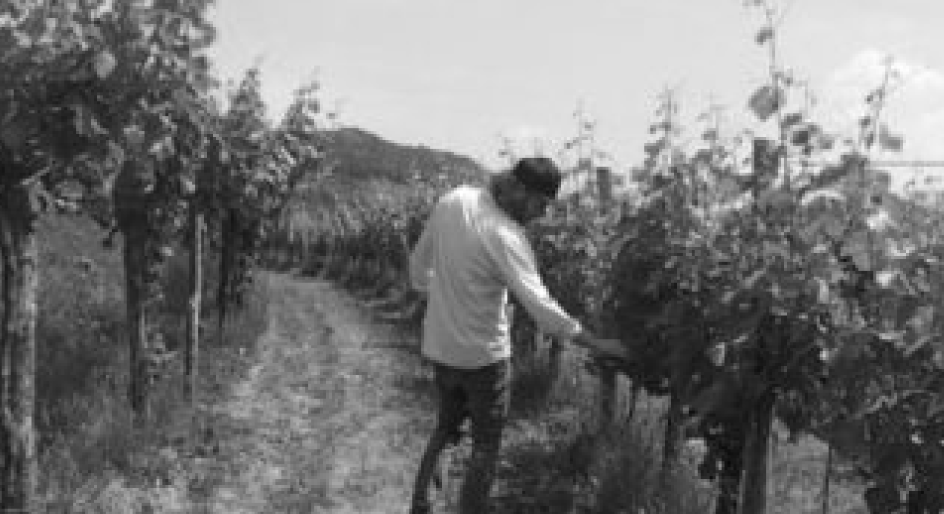
We believe in farming with minimal intervention in nature. We enrich the soil with microorganisms, following biodynamic principles. For weed control, we rely on tools and our hands rather than chemicals. Our vineyards have been passed down from our ancestors, and we strive to preserve them for future generations.
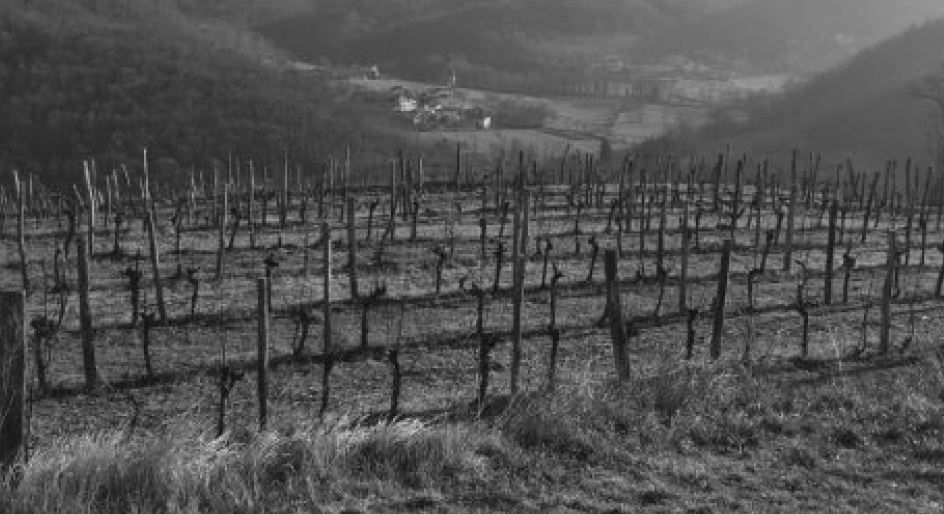
Our vineyards rise above the village of Dolanci in the Branica Valley, at the meeting point of the Karst and the Vipava Valley. The area, known as the Vipava Hills, belongs to the Vipava Valley appellation.
Until the Second World War, administrative matters were handled in Vipava and Ajdovščina; after 1956, the area was administratively assigned to the Karst. From our vineyards, sweeping views stretch to Nanos, Štanjel, and Čaven, crisscrossed by scenic cycling and hiking trails. We are just 20 km from Trieste, and our vines grow on the last hills rising between the Friulian Plain and Nanos.
We spend over 5,300 hours each year tending our vineyards, with the vast majority of tasks carried out by hand. Machinery is used only when absolutely necessary. All work related to canopy management—pruning, trimming, tipping, and harvesting—is done entirely by hand. We maintain a grassy cover in the vineyards and have created small ponds along their edges to collect water, providing a thriving habitat for the many creatures that inhabit our vineyards.
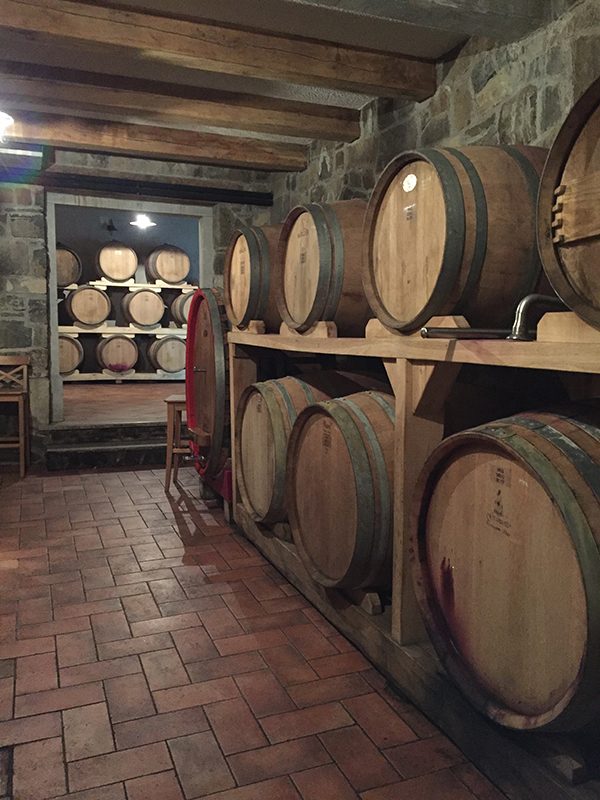
We are committed to minimal intervention in the cellar. Our wines begin fermentation with indigenous yeasts, and clarification occurs naturally through sedimentation of the lees. Sulphur is added only in minimal amounts, only a little bit before bottling.
Following the traditional Vipava method, we also macerate white wines for 4 to 365 days, depending on the variety and vintage. The lees remain in the wine for up to a year and are regularly stirred, resulting in wines rich in microbial life and stable even with very low sulphur levels.
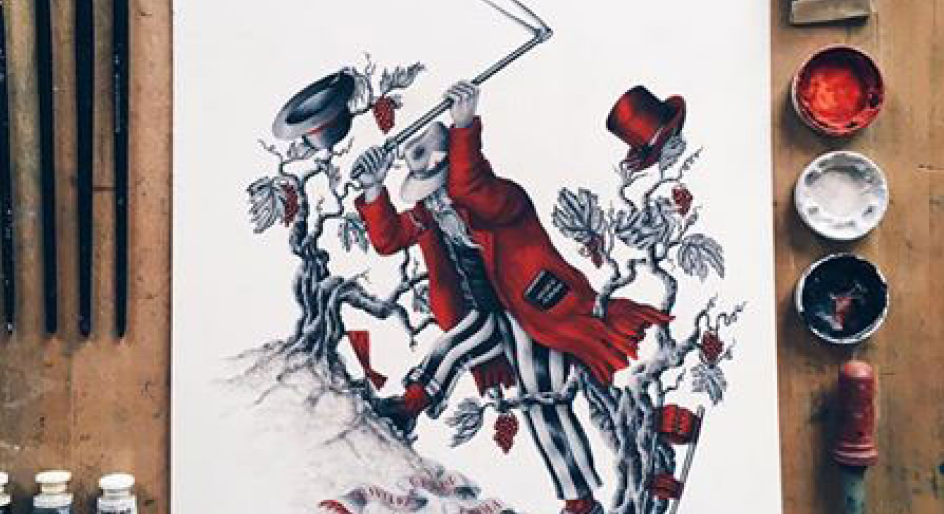
In shaping our visual identity, we collaborate with a variety of talented artists. Painter Tina Dobrajc created a series of three works, Red Hat, inspired by Fedora. Stunning illustrations for our wine labels are crafted by Hana Stupica. The label for our special sparkling Pet-Nat comes from the brush of Matija Kocbek, while the illustration for Pet-Nat Rebula was created by our son, Žan Kobal.
In spring 2023, we released a new cuvée, Bastardo, with a label illustrated and designed by Žan. At the same time, alongside our core line, we launched a new range called Alda, dedicated exclusively to special wines—selections not produced every year or made in boutique quantities. Every label in this line is individually designed by our son, Žan.
Art is a part of our daily life. We nourish ourselves with it, and we live with it. Mojca studied comparative literature, and before dedicating herself fully to Fedora, she worked in bookselling and publishing. She also expresses her love and dedication to wine through sommeliership—Mojca is a Level III sommelier.
Valter is devoted to Fedora, while still working on projects in film, music, fashion, and theatre. As a costume designer, he collaborates with prominent Slovenian and international artists.
Fedora wines are meant to be enjoyed—whether sharing time with family, friends, over a meal, or simply for the pleasure of it. Open a good book, play your favorite music, and see what soundtrack we have prepared as the perfect accompaniment to our wines.
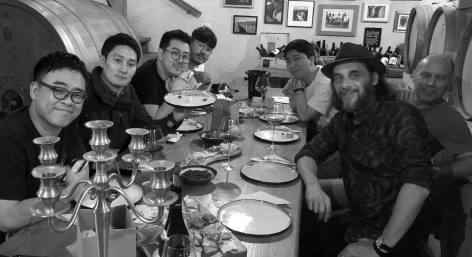
We warmly invite you to join us for a tasting. Experience our wines, share stories, savor local delights, and create unforgettable moments together. Let’s gather, raise a glass, and make lasting memories.
To reserve your tasting, please email:
fedorawines@gmail.com
Fedora wines reflect our terroir, our attitudes towards the environment, the passion for creativity, the respect for the uniqueness of each year. We embrace our differences, because they are precisely what makes us interesting. If all wines were the same, what would be left for adventurers like us?